
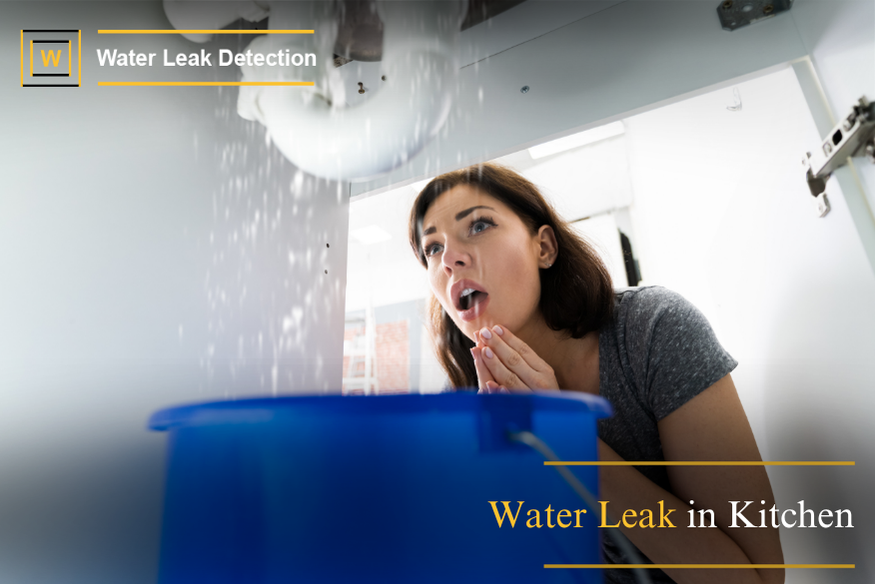

A water leak in the kitchen might seem like a minor inconvenience—but it can quickly turn into a costly problem if left unchecked.
With sinks, appliances, and hidden plumbing all in one area, leaks can develop in places you don’t immediately see. By the time visible damage appears, the issue may already be affecting cabinets, flooring, or internal structures.
If you’re unsure where the leak is coming from, many homeowners arrange professional leak detection services to locate the source accurately before it escalates.
Here’s what causes kitchen leaks—and what to do about them.
Common Signs of a Kitchen Leak
Kitchen leaks don’t always show up as obvious puddles.
Water Under the Sink
One of the most common signs is moisture inside cabinets.
You may notice:
- Damp or wet areas under the sink
- Water pooling at the base of cupboards
- Swollen or warped cabinet materials
Musty Smells
Hidden leaks often create persistent odours.
These may include:
- Damp or musty smells
- A “stale” scent inside cabinets
- Lingering moisture in enclosed areas
Warped or Damaged Flooring
Leaks can spread beneath flooring materials.
Look for:
- Warped or lifted floorboards
- Soft or spongy areas
- Discolouration or stains
Mould or Mildew Growth
Excess moisture encourages mould growth.
You may see:
- Dark spots around sinks or cabinets
- Mould along edges or corners
- Increased humidity in the kitchen
You may also notice early signs of water damage as the issue develops.
Increased Water Bills
If your usage hasn’t changed but your bill has increased, it could indicate a hidden leak.
You can confirm this by checking your water meter for leaks.
Common Causes of Kitchen Leaks
Kitchen plumbing systems are used frequently, making them prone to wear and tear.
Leaking Sink Pipes
Pipes under the sink can develop:
- Loose connections
- Cracks or corrosion
- Worn seals
Faulty Appliances
Appliances such as dishwashers and refrigerators can leak due to:
- Damaged hoses
- Loose fittings
- Internal component failures
Worn Seals and Fixtures
Over time, seals around taps and sinks can degrade, allowing water to escape.
Blocked Drains
Clogs can cause water to back up and leak from joints or connections.
Hidden Pipe Leaks
Pipes behind walls or under floors can leak without immediate visibility.
Why Kitchen Leaks Are Serious
Kitchen leaks often go unnoticed because they’re hidden within cabinets or behind appliances.
Over time, this can lead to:
- Damage to cabinetry
- Structural issues
- Mould growth
- Increased repair costs
The longer the leak persists, the more damage it can cause.
What to Do If You Notice a Leak
Step 1: Check Visible Areas
Inspect under the sink, around appliances, and along exposed pipes.
Step 2: Stop the Water Flow
If the leak is active, turn off the water supply to limit damage.
Step 3: Contain the Water
Use towels or containers to prevent water from spreading.
Step 4: Avoid Guesswork
Hidden leaks are difficult to locate without proper tools.
Step 5: Get the Leak Located Accurately
A targeted acoustic leak detection service can pinpoint the exact source without unnecessary damage.
Why DIY Fixes Can Be Risky
Temporary fixes may stop visible symptoms but don’t address the underlying issue.
This can lead to:
- Recurring leaks
- Hidden damage
- Increased repair costs
Accurate detection ensures the problem is resolved properly.
When to Take Action
You should act quickly if:
- Water is pooling or not drying
- Cabinets or flooring show damage
- There’s a persistent smell of dampness
- Your water bill increases unexpectedly
Even small signs can indicate a larger hidden issue.
Final Thoughts
A water leak in the kitchen might seem minor—but it can cause significant damage if left untreated.
Recognising the early signs and taking action quickly can prevent costly repairs and long-term problems.
If you suspect a hidden kitchen leak or want certainty before repairs begin, it’s best to get it checked properly. Finding the source early is the key to protecting your home.
Please call us at Water Leak Detection today for a free consultation on 1300 425 325 or leave an inquiry.
