
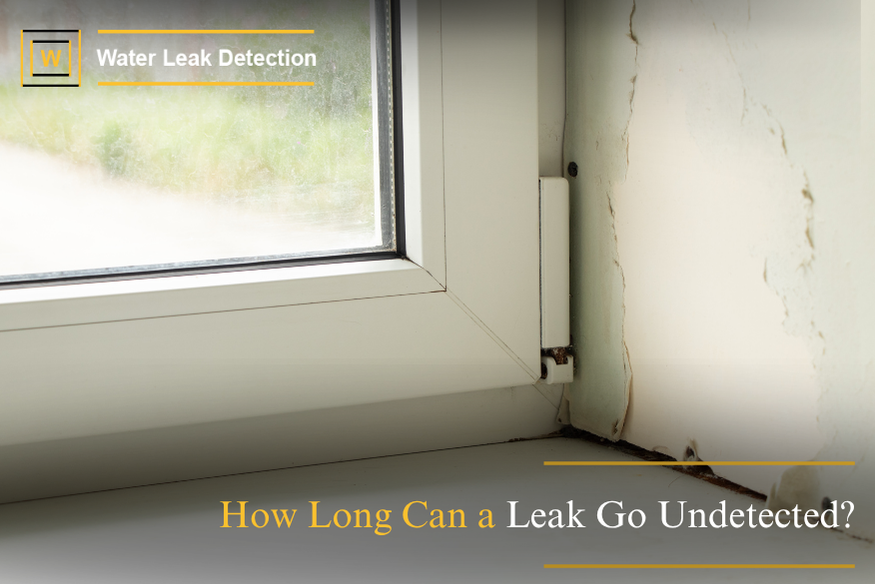

Longer than most people expect.
A leak can remain undetected for weeks, months, or even years—especially if it’s hidden behind walls, under floors, or underground. The real danger is that while it’s out of sight, it’s not inactive. Damage is still building in the background.
That’s why many property owners turn to non-invasive leak detection services to confirm whether there’s an issue before it escalates.
So how long can a leak actually go unnoticed?
Why Some Leaks Stay Hidden
Leaks don’t always show obvious signs straight away.
They often go undetected because:
- They occur in concealed areas (walls, ceilings, underground)
- Water travels away from the source
- Damage develops gradually
- Early symptoms are subtle and easy to ignore
In many cases, the leak has been active long before you notice anything.
Typical Timeframes for Undetected Leaks
Small Leaks: Weeks to Months
A slow leak—like a minor crack in a pipe—can go unnoticed for weeks or months.
During this time, it may:
- Gradually increase your water bill
- Start affecting surrounding materials
- Create damp conditions behind surfaces
Hidden Structural Leaks: Months to Years
Leaks in areas such as:
- Under concrete slabs
- Behind walls
- Underground
…can persist for months or even years without obvious signs.
You might only notice:
- Subtle structural changes
- Persistent musty smells
- Minor surface damage over time
Major Leaks: Hours to Days
Larger leaks or burst pipes are usually detected quickly.
However, even in these cases:
- Significant damage can occur before detection
- The exact source may still be unclear
What Happens While a Leak Goes Undetected
Even if you can’t see it, the leak is still causing damage.
Structural Damage
Water can weaken:
- Walls and ceilings
- Floors and foundations
- Internal supports
Mould and Mildew Growth
Hidden moisture creates ideal conditions for mould.
This can lead to:
- Health issues
- Persistent odours
- Expensive remediation
Increased Water Bills
Even small leaks can waste large amounts of water over time.
Long-Term Deterioration
Materials exposed to moisture will degrade, increasing repair costs.
You may eventually notice early signs of water damage once the problem becomes visible.
Why You Might Miss the Signs
Leaks often go undetected because the warning signs are easy to overlook.
Common reasons include:
- Gradual changes that aren’t obvious
- Damage occurring in hidden areas
- Assuming small symptoms aren’t serious
- Lack of regular inspection
Early Warning Signs to Watch For
Even hidden leaks usually leave clues.
Look for:
- Unexplained increases in water bills
- Changes in water pressure
- Musty smells or damp air
- Discolouration on walls or ceilings
- Sounds of running water when taps are off
You can also check your water meter for hidden leaks to confirm whether water is being used unexpectedly.
Why Waiting Makes It Worse
The longer a leak goes undetected, the more damage it causes.
Delaying action can lead to:
- Higher repair costs
- More extensive structural damage
- Increased disruption
- Longer repair timelines
Early detection is always more cost-effective.
How Leak Detection Finds Hidden Issues
Professional methods are designed to locate leaks without unnecessary damage.
Techniques such as acoustic leak detection allow technicians to pinpoint leaks accurately, even in concealed areas.
This ensures the issue is resolved efficiently.
When to Take Action
You should investigate further if:
- Your water bill increases unexpectedly
- You notice persistent damp smells
- There are pressure changes
- Something doesn’t feel right
Even subtle signs are worth checking.
Final Thoughts
A leak can remain hidden for far longer than you might think—but that doesn’t make it harmless.
The longer it goes undetected, the more damage it causes—and the more expensive it becomes to fix.
If you suspect a hidden leak or want peace of mind, acting early is always the best decision. Catching the problem early can save you significant time, money, and stress.
Please call us at Water Leak Detection today for a free consultation on 1300 425 325 or leave an inquiry.
