
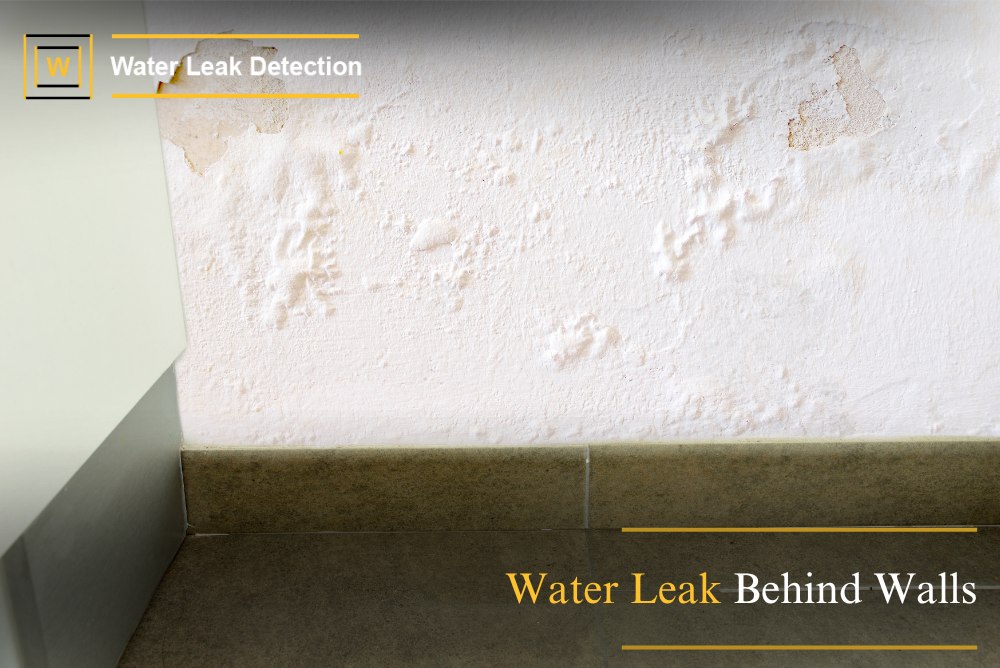

A water leak under your house is one of the most difficult problems to deal with—because you can’t see it, and by the time you notice it, damage may already be happening.
Leaks beneath a home can affect foundations, flooring, and structural integrity if left untreated.
If you’re unsure where the issue is coming from, many homeowners arrange non-invasive leak detection services to locate the leak accurately without unnecessary digging or damage.
Here’s exactly what to do if you suspect a leak under your house.
Step 1: Look for the Early Warning Signs
Before you see visible damage, there are usually indicators that something isn’t right.
Common signs include:
- Unexplained increase in your water bill
- Drop in water pressure
- Damp or musty smells indoors
- Warm or cold spots on floors
- Cracks appearing in walls or flooring
These signs often point to a hidden issue beneath the surface.
Step 2: Check Your Water Meter
One of the quickest ways to confirm a leak is by checking your water meter. You can do this by using your water meter to detect leaks.
If the meter continues to move when no water is being used, it’s a strong indication that water is escaping somewhere—potentially under your house.
Step 3: Inspect Outdoor Areas
Leaks under a house can sometimes show signs outside.
Look for:
- Soggy patches in the yard
- Water pooling near the foundation
- Unusually green or fast-growing grass
These can indicate underground leaks connected to your home’s plumbing.
Step 4: Avoid Digging or Guesswork
It’s tempting to try and locate the leak yourself, but this often causes more harm than good.
Without proper tools:
- You may dig in the wrong area
- Damage pipes further
- Increase repair costs
Leaks can travel, meaning the visible signs are not always where the problem is.
Step 5: Get the Leak Located Accurately
The most effective way to deal with a leak under your house is to locate it precisely.
Professional methods such as acoustic leak detection allow technicians to pinpoint the exact location without unnecessary disruption.
This ensures repairs are targeted and efficient.
Step 6: Understand the Cause
Leaks under a house don’t happen randomly.
Common causes include:
- Corroded or ageing pipes
- Ground movement
- High water pressure
- Poor installation
- Tree root intrusion
Understanding the cause helps prevent future issues.
Step 7: Assess the Potential Damage
Even if the leak seems minor, it can lead to serious problems over time.
These include:
- Foundation damage
- Structural weakening
- Mould and mildew growth
- Damage to flooring and interiors
You may start to notice signs of water damage as the issue progresses.
Step 8: Arrange Repairs Promptly
Once the leak is located:
- Repairs can be carried out efficiently
- Damage can be contained
- The system can be tested to ensure the issue is resolved
Delaying repairs can significantly increase costs.
Why Early Action Matters
A leak under your house won’t fix itself.
The longer it’s left untreated, the more damage it can cause—and the more expensive it becomes to fix.
Early detection and action can:
- Minimise structural damage
- Reduce repair costs
- Prevent long-term issues
When It’s Urgent
You should act immediately if:
- Water is pooling around your home
- You notice sudden structural changes
- There’s a rapid increase in your water bill
- You lose water pressure suddenly
These are signs that the issue may be worsening.
Final Thoughts
A water leak under your house is a serious issue—but it’s manageable if you act early and take the right steps.
Avoid guesswork, focus on accurate detection, and address the problem before it escalates.
If you suspect a leak beneath your home or want confirmation before taking action, it’s best to get it checked properly. Finding the source early can save you significant time, money, and disruption.
Please call us at Water Leak Detection today for a free consultation on 1300 425 325 or leave an inquiry.
