
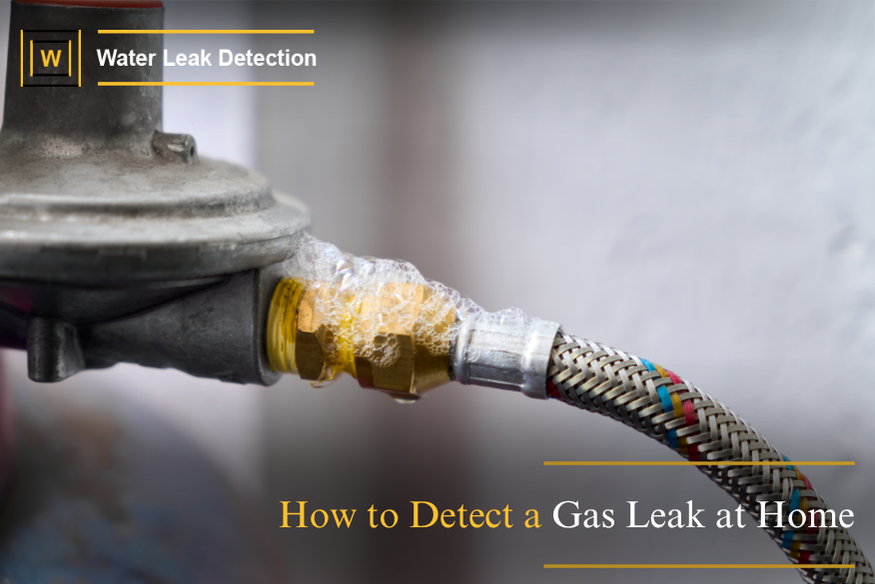

A gas leak is one of the most dangerous issues a homeowner can face.
Unlike water leaks, gas leaks carry serious risks—including fire, explosion, and health hazards. The challenge is that gas leaks aren’t always obvious, especially in the early stages.
That’s why many homeowners turn to professional leak detection specialists when something doesn’t feel right but they can’t pinpoint the source.
Knowing the warning signs can help you act quickly and stay safe.
1. The Smell of Gas
The most well-known sign of a gas leak is the smell.
Natural gas is odourless, but a chemical is added to give it a strong smell similar to rotten eggs or sulphur.
If you notice this smell:
- Indoors or around appliances
- Near gas lines or meters
- In enclosed or poorly ventilated areas
…it should be treated as a serious warning. If you’re unsure, you can also review how to tell if your home has a gas leak.
2. Hissing or Whistling Sounds
A gas leak can sometimes produce a distinct sound.
Listen for:
- Hissing near gas pipes
- Whistling around appliances or connections
- Unusual noises from gas lines
These sounds often indicate gas escaping under pressure.
3. Physical Symptoms
Exposure to a gas leak can affect your health.
Common symptoms include:
- Dizziness or lightheadedness
- Headaches
- Nausea
- Fatigue or confusion
If multiple people in the home experience these symptoms, it could indicate a gas issue.
4. Dead or Dying Plants
Gas leaks can affect vegetation.
You may notice:
- Plants dying suddenly
- Discoloured or wilted grass
- Dead patches in your garden
This is particularly common with underground gas leaks.
5. Higher Than Usual Gas Bills
An unexplained increase in your gas bill may indicate a leak.
If your usage hasn’t changed but your costs have increased, it’s worth investigating further.
6. Bubbles in Water
If there’s a gas leak in an underground line, you may notice:
- Bubbles forming in puddles
- Bubbling water in flooded areas
- Disturbed soil or water movement
These can be subtle but important warning signs.
7. Pilot Lights Going Out
If your gas appliances rely on pilot lights, a leak can interfere with normal operation.
You may notice:
- Pilot lights frequently going out
- Difficulty relighting appliances
- Irregular flame behaviour
This can indicate issues within the gas system.
What to Do If You Suspect a Gas Leak
If you notice any of these signs, take immediate action.
Leave the Area Immediately
Evacuate everyone from the property as quickly as possible.
Avoid Sparks or Flames
Do not:
- Turn lights on or off
- Use electrical switches
- Light matches or lighters
- Use appliances
Even small sparks can ignite gas.
Turn Off the Gas Supply (If Safe)
If you can safely access the gas shut-off valve, turn it off.
Contact Emergency Services or a Licensed Professional
Gas leaks should always be handled by qualified professionals.
Why You Should Never Ignore a Gas Leak
Ignoring a gas leak can lead to:
- Fire or explosion
- Serious health risks
- Property damage
- Long-term safety hazards
Even a small leak can escalate quickly.
Gas Leak Detection vs Water Leak Detection
While water leaks typically cause damage over time, gas leaks are far more urgent.
However, both require accurate detection to resolve properly.
If you’re dealing with multiple concerns, understanding how leak detection systems work can help you see how professionals approach different types of leaks.
Final Thoughts
Gas leaks are serious, but they often give warning signs before becoming critical.
By recognising these signs early and taking immediate action, you can protect your home and everyone in it.
If something doesn’t feel right or you want peace of mind, it’s always better to act early. When it comes to gas leaks, safety should always come first.
Please call us at Water Leak Detection today for a free consultation on 1300 425 325 or leave an inquiry.
